
Your Home Is Making You Anxious and You Don't Even Know It
Your Home Is Making You Anxious and You Don't Even Know It
By Secure Plus+ Storage | Montego Bay, Jamaica
Category: Home Life, Mental Health, Organization
Reading time: 7 minutes
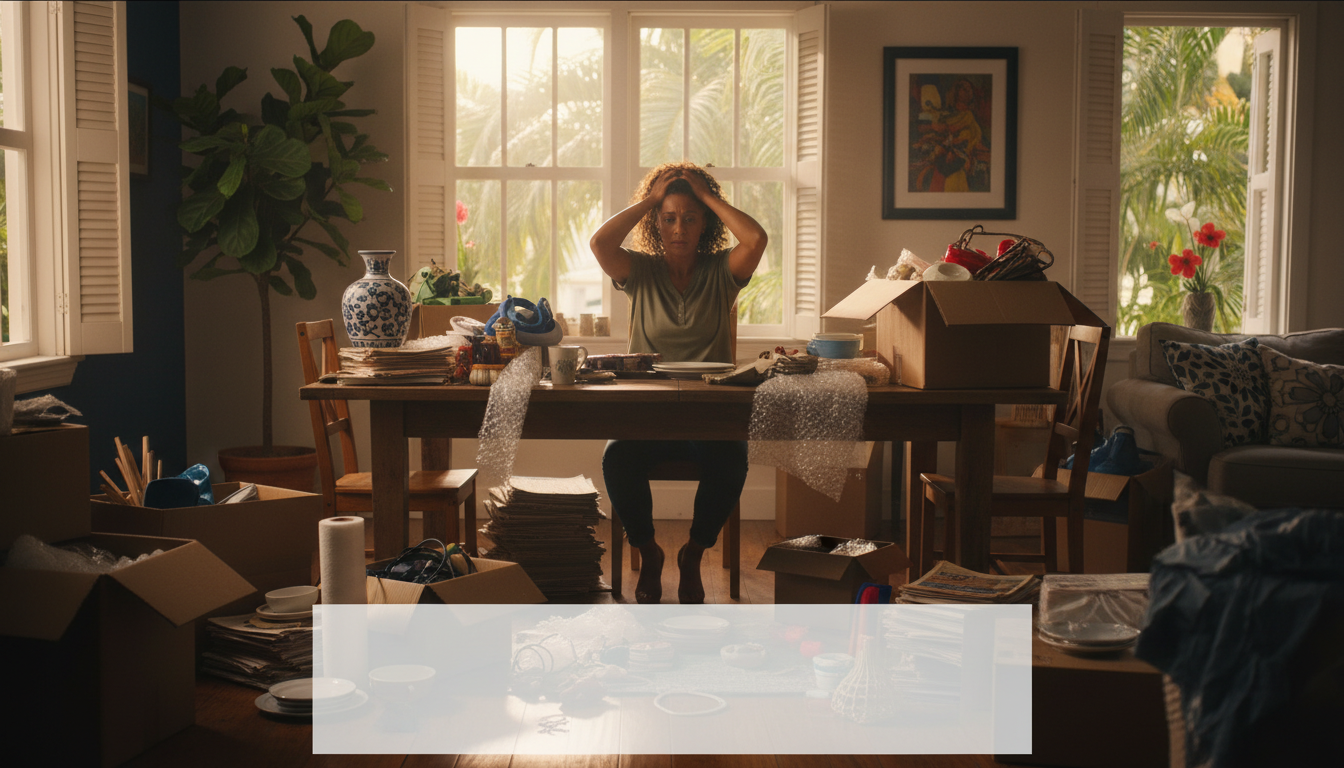
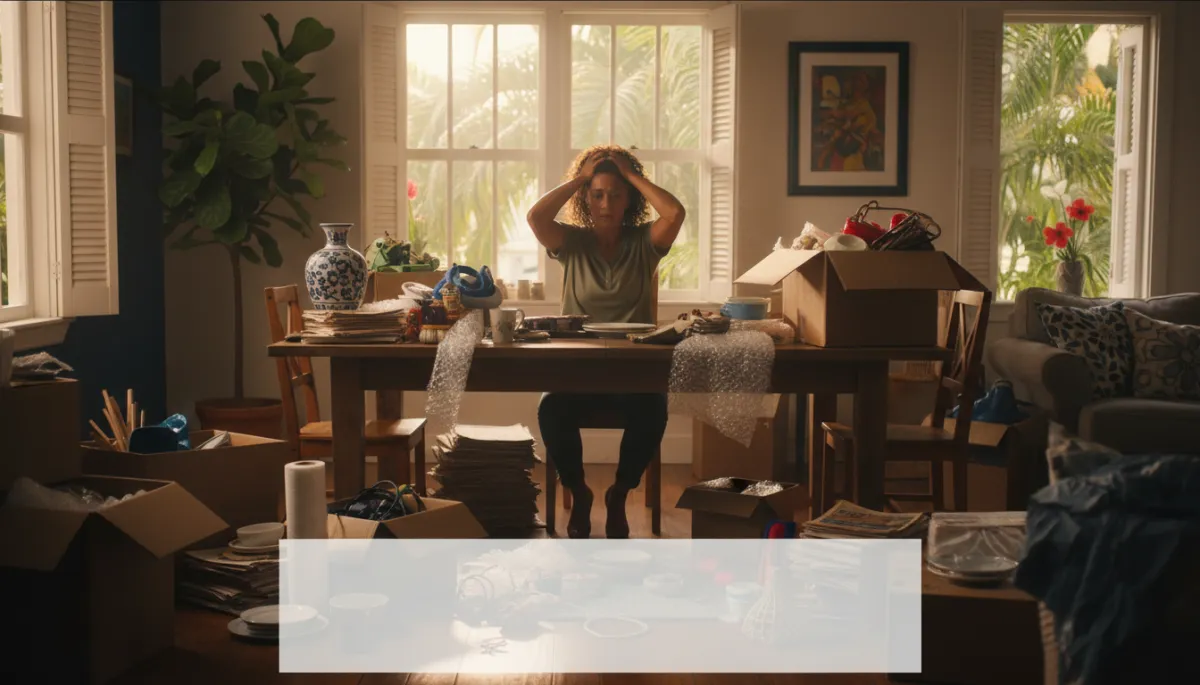
You cleaned your house last Saturday. By Tuesday, the anxiety was back. The laundry pile, the boxes stacked in the corner, the things you bought but never unpacked. You are not lazy. You are not disorganized. Your home is just too full for your brain to properly rest, and the science behind that is more serious than most people realize.
This is not a blog about throwing things away. This is about understanding why your physical space has a direct line to your mental state, and what you can actually do about it without getting rid of anything you love.
What Science Actually Says About Clutter and Your Brain
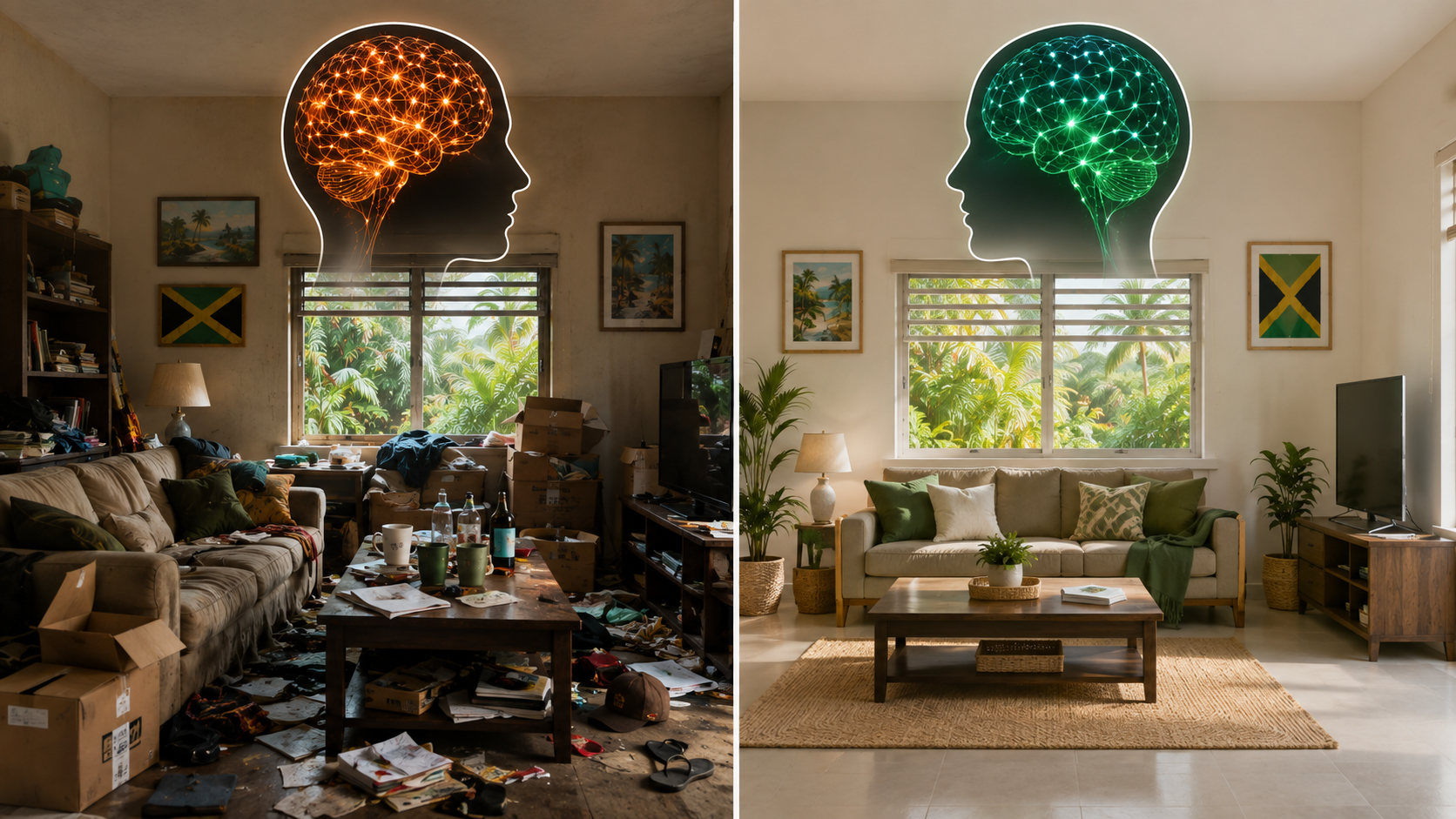
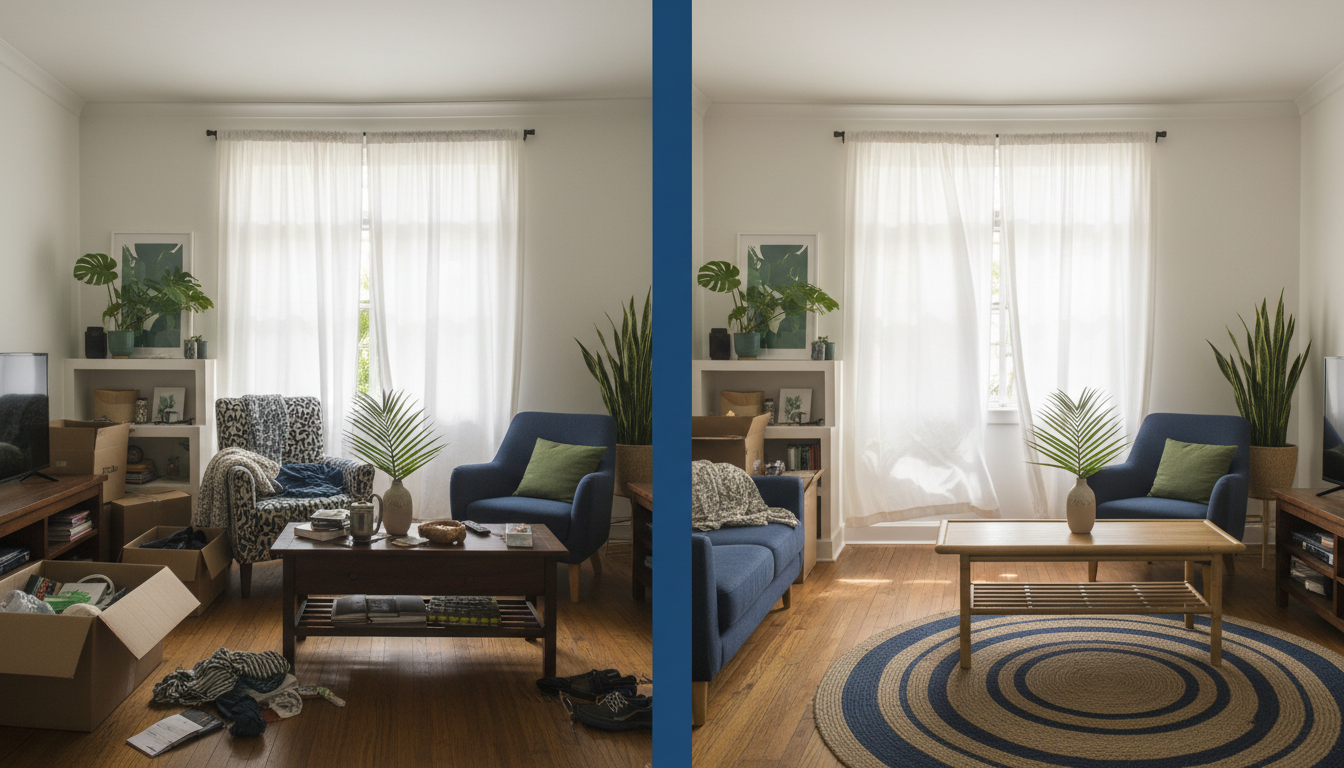
Researchers in environmental psychology have consistently found that visual chaos competes for your brain's attention. Your brain cannot simply "ignore" the pile of boxes in the corner or the overflowing shelf. It registers every item in your visual field as something that may need to be dealt with. This creates a low-level but constant drain on your mental energy, even when you are trying to relax.
Studies at Princeton University's Neuroscience Institute (verify current availability of this research before publishing) suggest that multiple stimuli present in your visual space compete for neural representation. In plain language: clutter is literally fighting your brain for attention, and your brain loses a little every single day.
The result? Higher cortisol levels. More irritability. Worse sleep. Difficulty concentrating. You might blame stress at work or relationship tension. But sometimes, it is your environment doing the damage.
The Brain on Clutter vs. Calm Space
Signs Your Home Is Affecting Your Mood Right Now
Not sure if your space is actually hurting you? Look for these signs:
You feel tired as soon as you walk through the door. You were fine in the car. The moment you step inside, something shifts. That is your brain processing the visual workload of the space.
You avoid certain rooms. There is that one room you never go into. Or a corner you always look away from. Avoidance is a signal that the space is causing low-grade stress.
You cannot fully relax, even on weekends. You are home. You have free time. But you never quite feel settled. Your eyes keep finding the pile. Your brain keeps adding it to tomorrow's to-do list.
You sleep but do not feel rested. A cluttered bedroom is one of the most underrated causes of poor sleep quality. Your brain is still on alert because the environment is still sending signals.
You feel a wave of relief when you leave. If going to the supermarket or a friend's house feels like a genuine exhale, pay attention to that. Your body is telling you something.

The Jamaican Home Reality
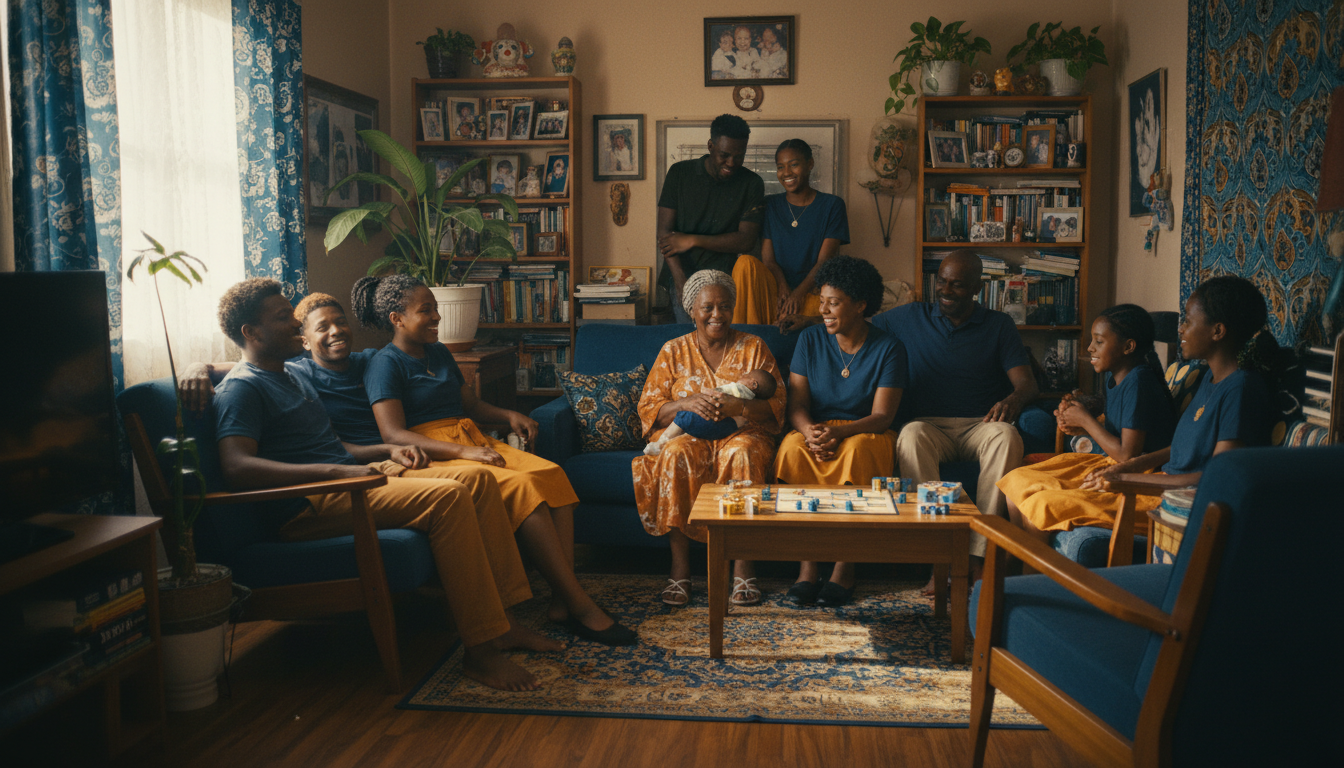
Let us be honest about something specific to our context. Many homes in Jamaica, particularly in areas like Montego Bay, St. James, and across the island, house multiple generations under one roof. Grandparents, parents, children, and sometimes aunts and cousins all sharing one space. Items accumulate across generations. Nobody throws away Grandma's sewing machine. Nobody gets rid of the school uniforms from 2014 because "the younger ones might need them." There is deep cultural meaning attached to keeping things, and that is not something to dismiss.
But there is a difference between keeping and hoarding, and there is also a difference between keeping and being held hostage by your possessions. When items that are not being used are taking up space in your active living areas, they begin to create pressure, even when they are loved.
The solution is not to throw things away. It is to give them a proper home that is not your living room, bedroom, or kitchen.
Decluttering vs. Decongesting: There Is a Big Difference
Most organization content tells you to throw things away. That approach works for some people. But for many Jamaican families, it is not realistic and it is not necessary.
There is a powerful alternative: decongesting rather than decluttering.
Decluttering means removing items from your life entirely. Decongesting means moving items out of your active living space into a secure, organized location where they are preserved and accessible but not creating daily visual noise.
Think about these examples:
Christmas decorations, Easter supplies, and Junkanoo items that are only needed seasonally
Children's school projects, baby items, and keepsakes you are not ready to part with
Furniture from a family member who passed that carries sentimental weight
Equipment for a business idea you plan to restart
Boxes from a recent or upcoming move that have not been sorted yet
None of these things need to be thrown away. They just need a proper, secure space that is not your bedroom or living room.
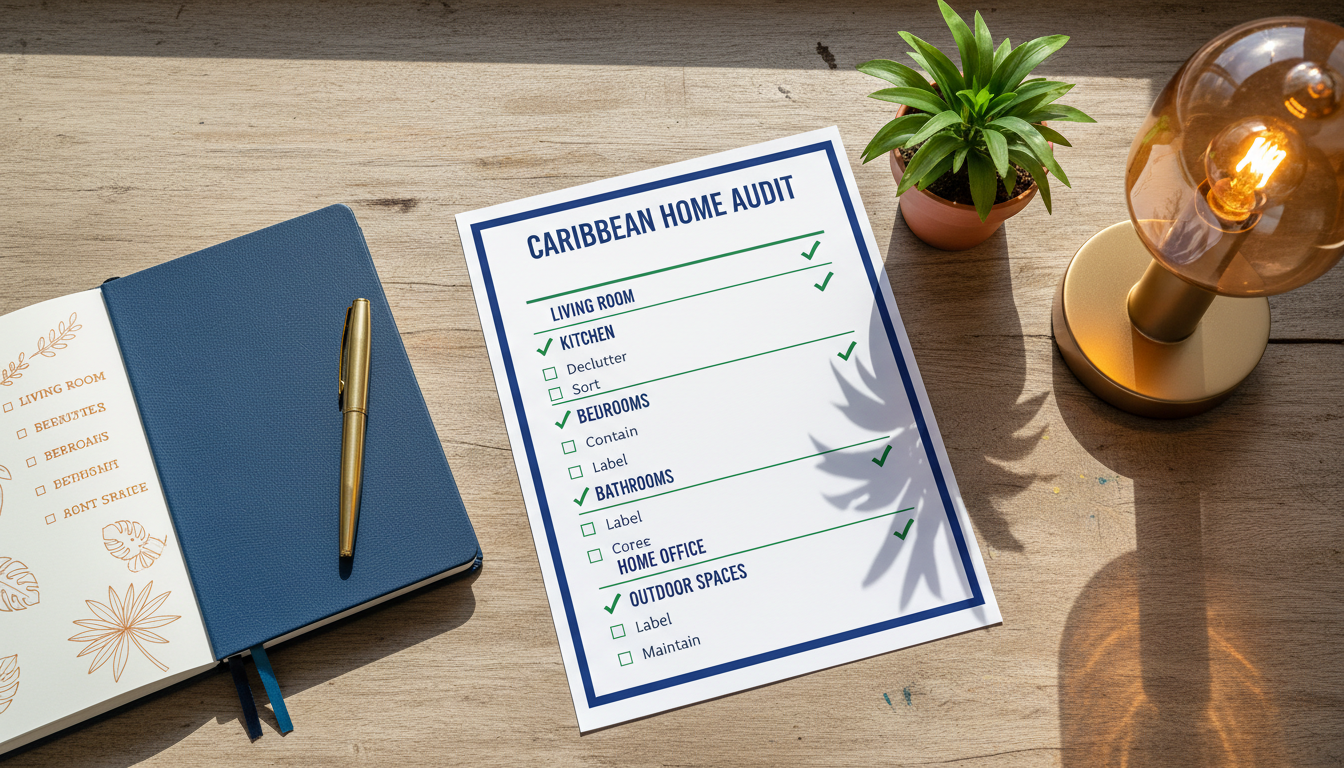
The Room-by-Room Audit: A Simple Checklist
Walk through your home and ask one question in each room: "Is everything in here actively serving my daily life?"
Living Room: Are there boxes, extra furniture, or items "temporarily" placed that have been there for more than 30 days?
Bedroom: Is your sleep space calm, or are you sleeping surrounded by items that remind you of unfinished tasks?
Kitchen: Are countertops covered with items you rarely use? Appliances taking up space that you use once a year?
Children's Room: Are outgrown toys, old school supplies, or oversized furniture making the space feel cramped?
Garage or Utility Area: Has this become the unofficial storage room for everything else? Can you actually use this space for what it was meant for?
Outside / Verandah: Are items stored here that have been there so long you have stopped seeing them?
For any room where you answer "no," flag every item that is not actively used weekly. That is your decongestion target list.
The 90-Day Box Method: No-Stress, No-Pressure
If you are not sure what to move out of your home, start with the 90-Day Box method.
Here is how it works:
Step 1: Get a large, sturdy box or tub with a lid. Label it "90-Day Box" with today's date.
Step 2: Walk through your home and place any non-essential item you have not used in the last three months into the box. Be honest. Not "I might use this soon." Actually used, in the last 90 days.
Step 3: Seal the box and note the date. Store it securely, either in a storage unit or a dedicated area of your home.
Step 4: For the next 90 days, note every time you actually need something from that box. If you open it more than twice for real reasons, those items probably belong in your active space.
Step 5: After 90 days, review what you never opened for. Those items are strong candidates for long-term storage or donation.
This method removes the pressure of deciding "forever." You are simply testing what your life actually needs versus what your home has been holding onto by habit.

The 3-Space Audit Framework: Your Action Plan
Now that you understand the problem and have done the audit, here is the practical framework to implement immediately.
KEEP SPACE — Items you use every week. These stay in your home, within easy reach.
STORE SPACE — Items you use occasionally, seasonally, or plan to use in the future. These move to a secure storage unit. Out of your daily space. Protected. Accessible when you actually need them.
RELEASE SPACE — Items you have not touched in over a year, carry no meaningful sentimental value, and you would not miss. Donate, sell, or discard.
The goal is not a minimalist home. The goal is a home where every item in your daily living space is there for a reason. Everything else deserves a proper, safe home of its own.
Your Next Step
Your home should feel like a place you want to come back to. It should exhale when you walk in. If it does not feel that way right now, the solution may be simpler than a renovation or a complete lifestyle overhaul.
Sometimes, what your home needs is room to breathe. And what your mind needs is permission to stop keeping track of everything piled in every corner.
Secure Plus+ Storage offers affordable, secure units in Montego Bay, Jamaica where your belongings stay safe, organized, and accessible without living in your daily space. Whether you need a small unit for a few boxes or a larger space for furniture and seasonal items, our team will help you find exactly what works. Contact us today for a free quote and take the first step toward a home that finally lets you rest.
Secure Plus+ Storage: Your Space Solution in Montego Bay